Discovering Hidden Gems: A Step-by-Step Guide to Finding Backlinks for Your Blog Post
Welcome to the world of backlink hunting, where uncovering hidden gems can drastically improve your website's visibility and credibility. In this tutorial, you'll learn how to find backlinks for any website, including your own blog post. We'll dive into the process of identifying, analyzing, and utilizing backlinks to boost your online presence. By the end of this guide, you'll be equipped with the knowledge and skills to find and leverage backlinks like a pro. So, let's get started on this exciting journey and explore the wonderful world of backlinks.
Step 1: Understanding the Importance of Backlinks for Your Website
Before we begin our backlink hunt, it's essential to understand the significance of backlinks in the context of search engine optimization (SEO). Backlinks, also known as incoming links or inbound links, are links from one website to another. They serve as a vote of confidence, indicating that your content is valuable, relevant, and worthy of citation. The more high-quality backlinks your website has, the higher it will rank in search engine results pages (SERPs). To illustrate this concept, imagine a popular blog post with numerous backlinks from authoritative sources; it's likely to outrank a similar post with few or no backlinks. 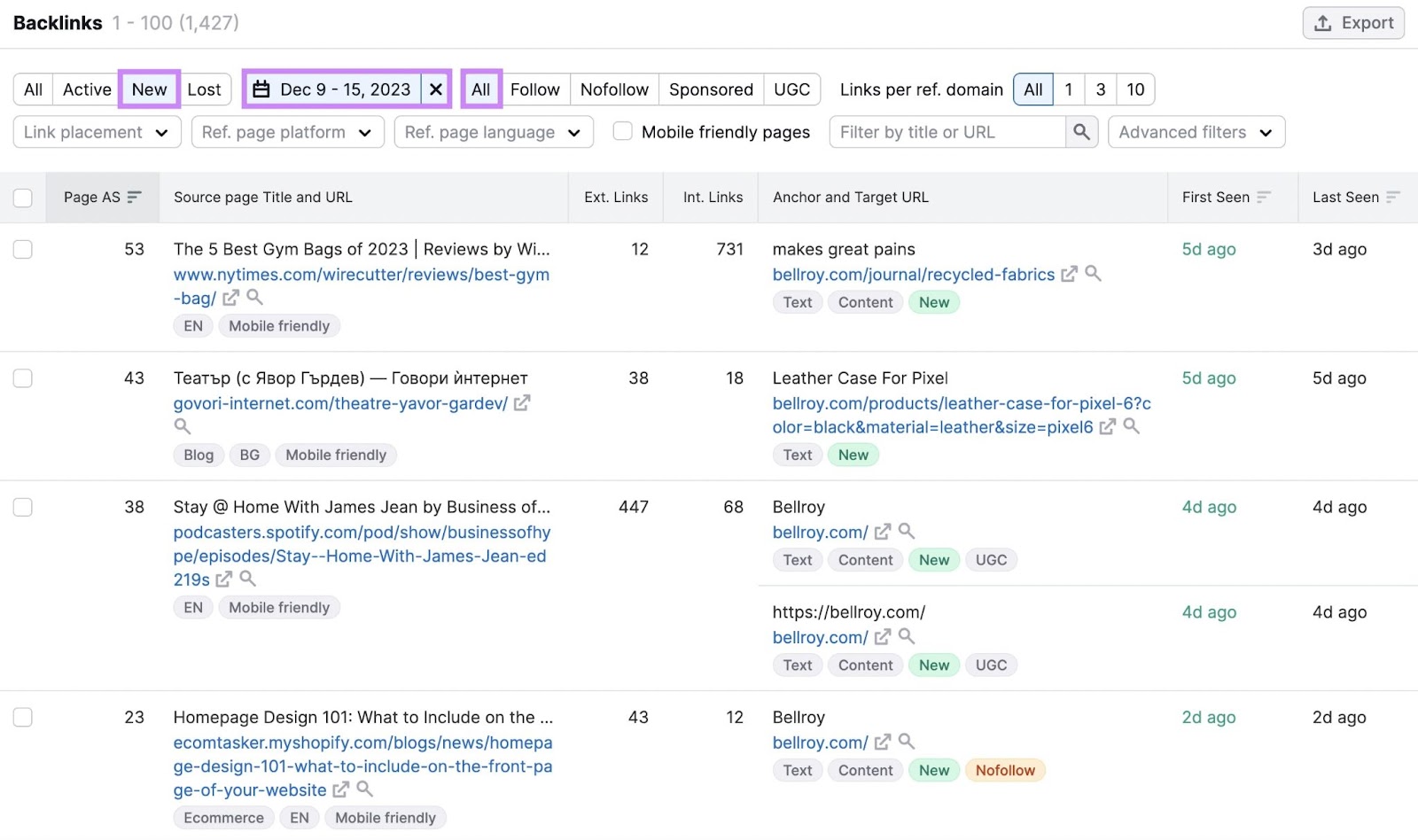
Step 2: Identifying Potential Sources of Backlinks for Your Blog Post
Now that we've covered the importance of backlinks, let's move on to identifying potential sources. There are numerous ways to find backlinks, but we'll focus on the most effective methods. Start by brainstorming a list of relevant websites, blogs, and online publications that could potentially link to your blog post. Consider your niche, industry, and target audience when creating this list. For instance, if you're a fashion blogger, you might look for popular fashion blogs, influencers, or online magazines that could link to your content. You can also use tools like Ahrefs or SEMrush to find potential sources of backlinks. 
Step 3: Using Backlink Analysis Tools to Find Backlinks
In this step, we'll explore the world of backlink analysis tools. These tools are designed to help you find, analyze, and organize backlinks. Some popular options include Ahrefs, SEMrush, and Moz. Each tool offers a unique set of features, but they all provide valuable insights into your website's backlink profile. For example, Ahrefs offers a comprehensive backlink database, while SEMrush provides detailed analytics and competitor analysis. When using these tools, be sure to set up filters and parameters to narrow down your search and focus on high-quality backlinks.
Step 4: Analyzing Backlink Quality and Relevance
Now that we've found some potential backlinks, it's time to analyze their quality and relevance. Not all backlinks are created equal, and it's essential to separate the good from the bad. Look for backlinks from authoritative sources, such as government websites, educational institutions, or well-established online publications. These types of backlinks carry more weight and can significantly improve your website's credibility. On the other hand, avoid backlinks from low-quality or spammy sources, as they can harm your website's reputation. When evaluating backlink quality, consider factors like domain authority, page authority, and anchor text diversity.
Step 5: Building Relationships and Outreach for Backlinks
In this final step, we'll focus on building relationships and outreach to acquire high-quality backlinks. This involves reaching out to website owners, bloggers, and influencers in your niche and requesting that they link to your content. Be sure to personalize your outreach emails and provide value to the recipient, such as offering exclusive content or insights. You can also participate in guest blogging, where you write articles for other websites and include a link to your own website in your author bio. Remember to always follow best practices and guidelines when building backlinks, as spammy or manipulative tactics can result in penalties from search engines.
Frequently Asked Questions
Here are some frequently asked questions about finding and building backlinks:
- Q: What is the best way to find backlinks for my website?
- Q: How do I know if a backlink is high-quality?
- Q: Can I buy backlinks to improve my website's ranking?
A: The best way to find backlinks is to use a combination of backlink analysis tools, such as Ahrefs or SEMrush, and manual outreach to website owners and bloggers in your niche.
A: A high-quality backlink comes from an authoritative source, such as a government website or educational institution, and is relevant to your content. Look for backlinks with high domain authority, page authority, and anchor text diversity.
A: No, buying backlinks is against Google's guidelines and can result in penalties for your website. Instead, focus on building high-quality backlinks through outreach, guest blogging, and creating valuable content.
How To Find & Check Backlinks (for Any Website)
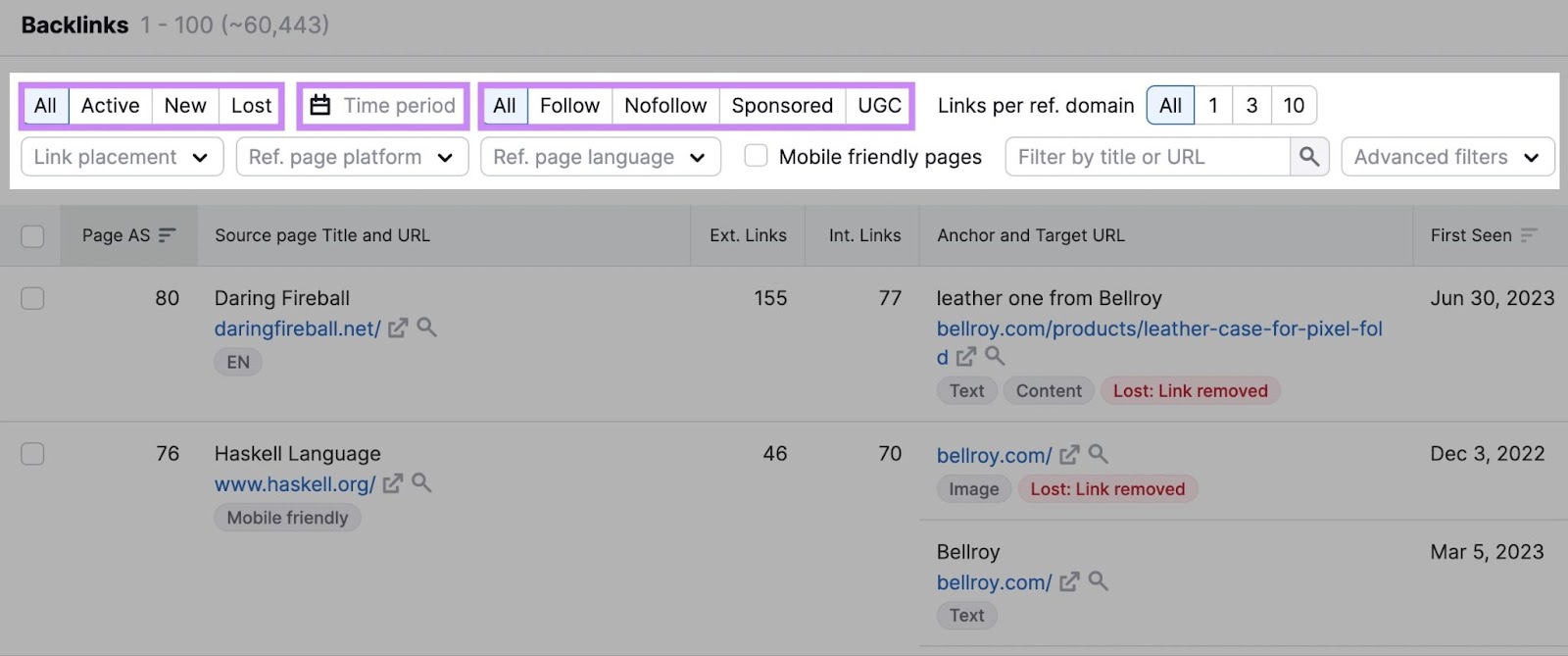
How to Find & Check Backlinks (for Any Website)
How To Find & Check Backlinks (for Any Website)
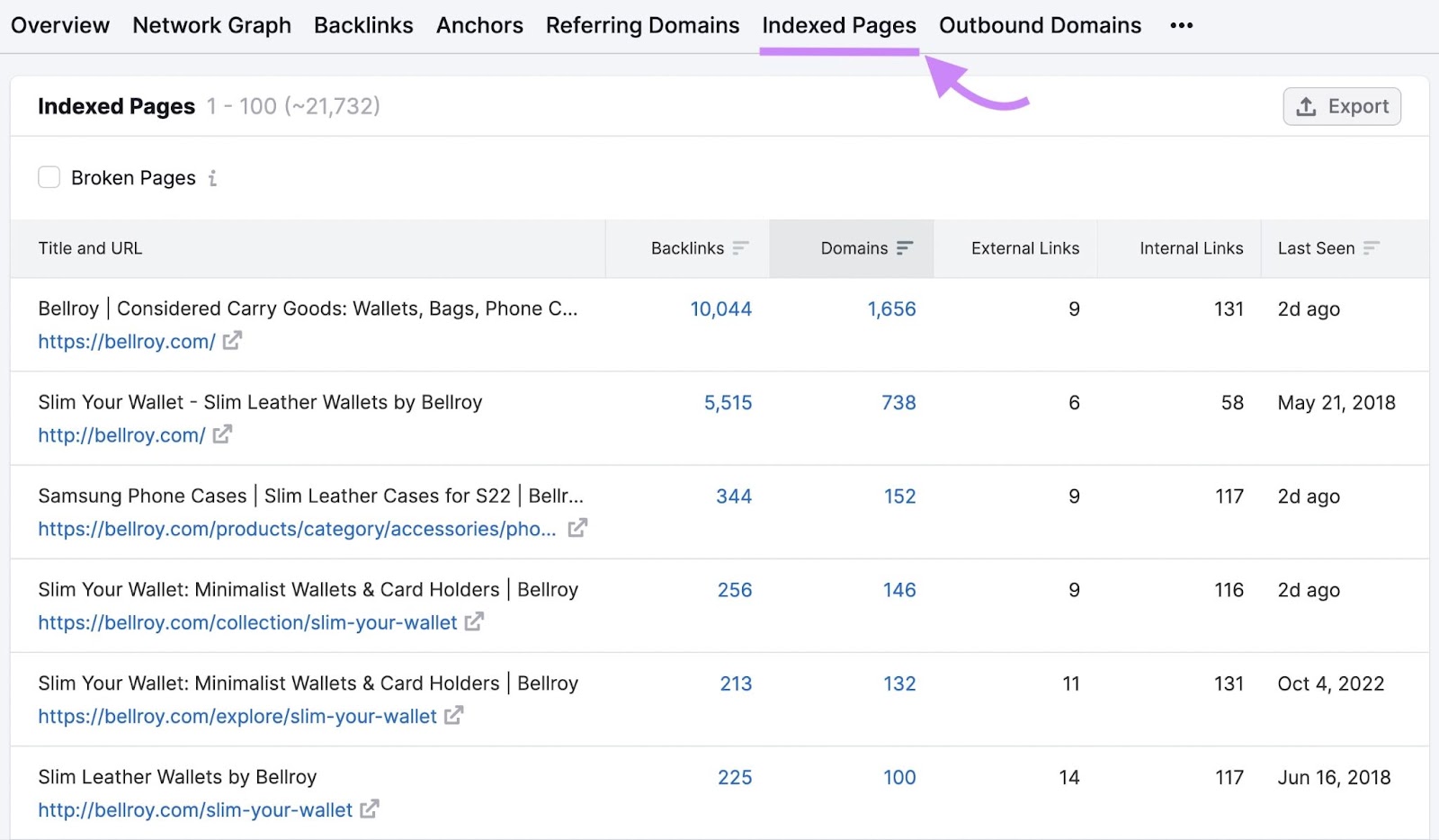
How to Find & Check Backlinks (for Any Website)
How To Write An SEO-Friendly Blog Post: 10-Step Process

How to Write an SEO-Friendly Blog Post: 10-Step Process